
From Birds to Mammals: Why Colombia Is Ideal for Nature Photography
From Birds to Mammals: Why Colombia Is Ideal for Nature Photography
There are places in the world where nature photography feels abundant, even generous. And then there are places where it feels limitless—where every ecosystem seems to overlap with another, where birds and mammals share the same visual stage, and where each day in the field holds the promise of discovery. Colombia belongs firmly in the latter category.
For photographers accustomed to focusing on a single taxonomic group—birds, mammals, or landscapes—Colombia offers something uniquely compelling: the opportunity to move seamlessly between all three. In a single journey, it is possible to photograph dazzling hummingbirds in the morning, endemic tanagers by midday, and elusive mammals in the fading afternoon light. This extraordinary diversity is not accidental. It is the result of geography, climate, conservation, and culture converging in one of the most biologically rich countries on Earth.
A Country Built for Biodiversity
Colombia’s position at the crossroads of Central and South America gives it an unparalleled ecological advantage. The country spans two oceans, three Andean mountain ranges, vast Amazonian lowlands, Caribbean dry forests, Pacific rainforests, wetlands, savannas, and high-altitude páramo. Few countries on the planet contain such a range of habitats within their borders.
This geographic complexity translates directly into biodiversity. Colombia consistently ranks among the top countries worldwide for bird species richness, while also supporting an impressive array of mammals, reptiles, amphibians, and plants. For nature photographers, this means diversity is not something you have to chase—it surrounds you.
What makes Colombia particularly special is how accessible this biodiversity can be when approached thoughtfully. Many ecosystems lie within a few hours of major cities, allowing photographers to move efficiently between dramatically different environments without spending days in transit.
Birds as the Gateway
For many photographers, birds are the entry point to Colombia’s natural world. With nearly 2,000 recorded species, including hundreds of endemics, the country is often described as the ultimate bird photography destination.
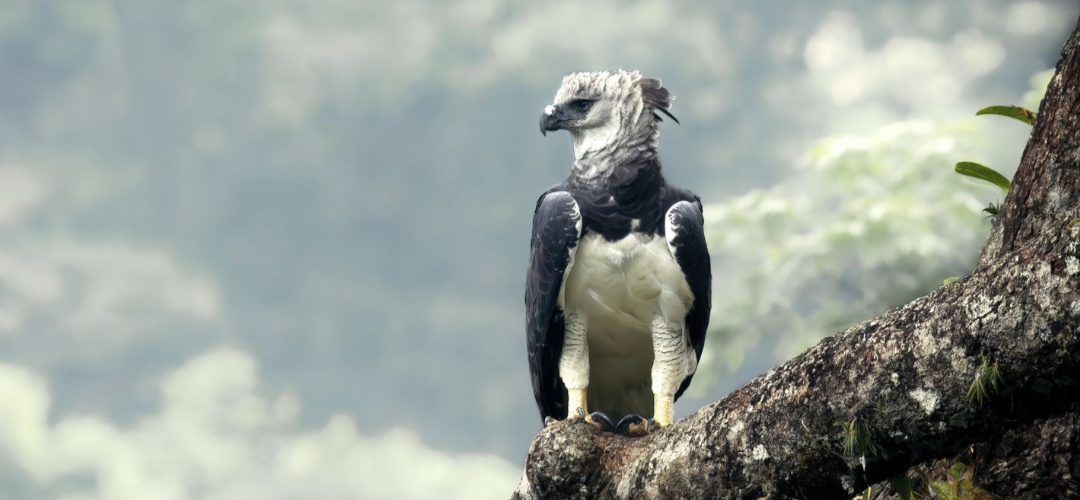
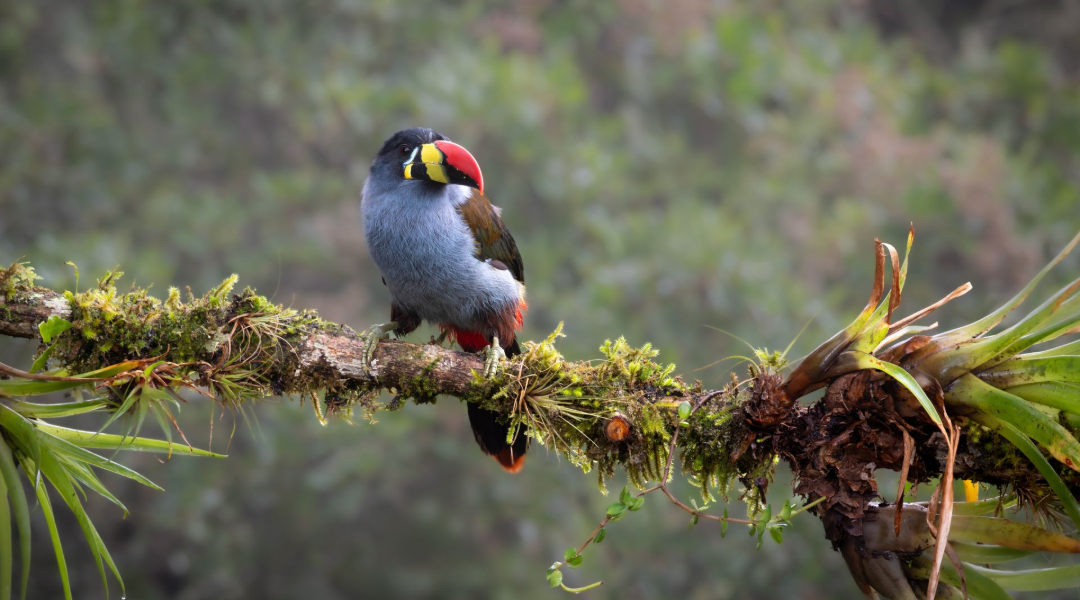
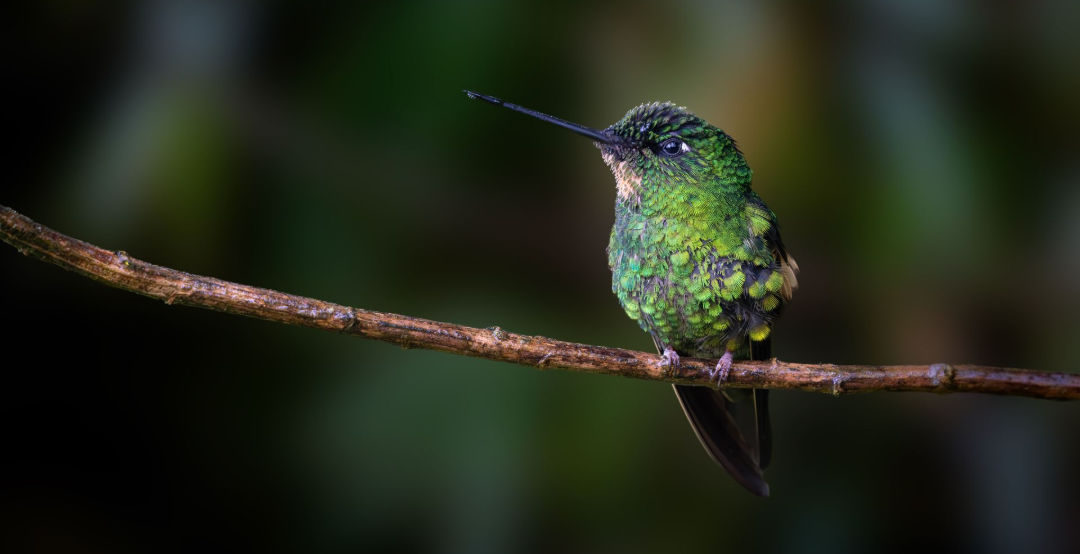
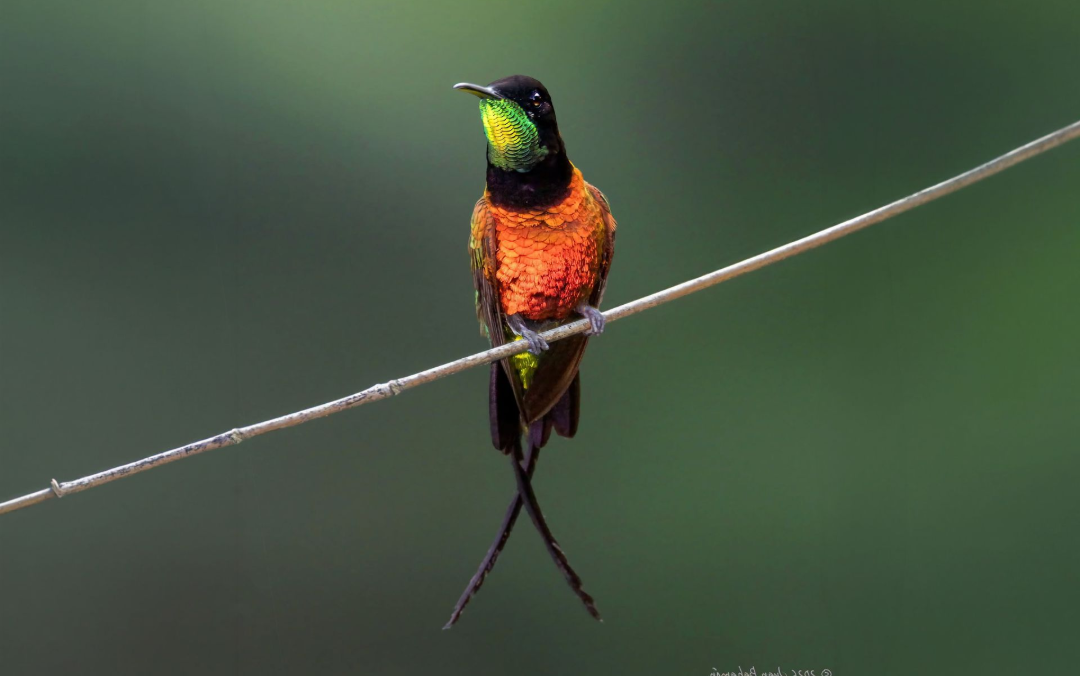
The appeal goes far beyond numbers. Colombia’s birds are astonishingly varied in form, color, and behavior. Jewel-like hummingbirds hover in cloud forests, antpittas skulk in shadowy understory, and tanagers flash electric blues and reds against moss-covered branches. Raptors soar over open valleys while waterfowl and rails inhabit high-altitude wetlands.
For photographers used to working in temperate regions, the sheer density of species can feel overwhelming—in the best possible way. It is not uncommon to photograph dozens of lifers in a single day, often in good light and relatively close proximity.
Well-Established Bird Photography Infrastructure
One of Colombia’s great strengths is its growing network of reserves, lodges, and community-run conservation areas designed with bird photography in mind. Feeding stations, thoughtfully placed perches, and blinds allow photographers to work ethically while still achieving high-quality images.
These facilities are often managed by local families or cooperatives, ensuring that tourism revenue supports conservation and livelihoods simultaneously. For photographers, this infrastructure provides an ideal balance: excellent photographic opportunities without compromising the welfare of the birds or their habitats.
But Colombia does not end with birds—and that is where its true photographic potential begins to unfold.
When Birds Lead You to Mammals
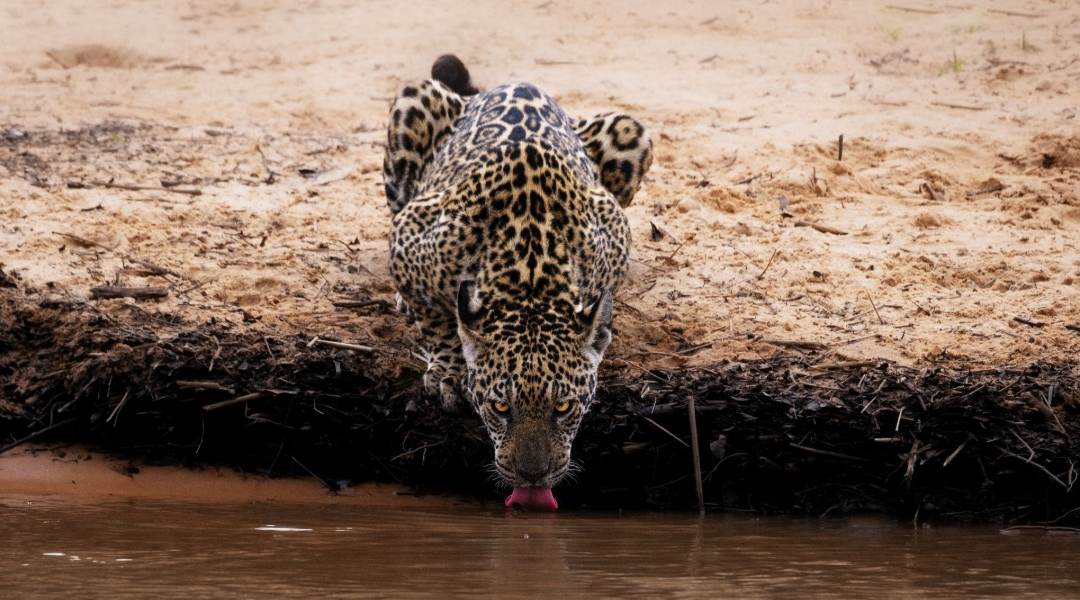
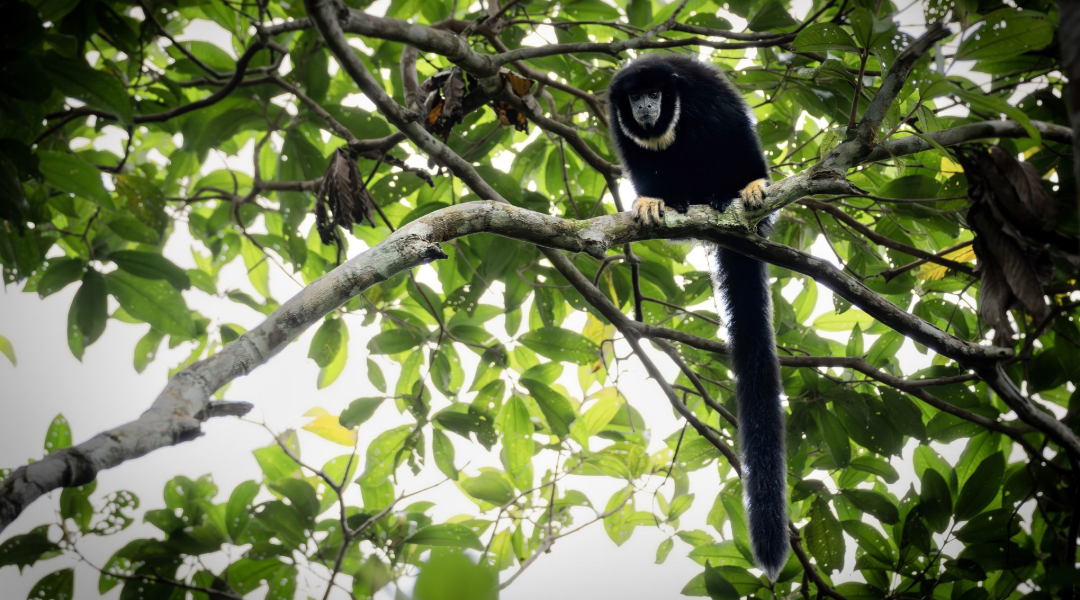
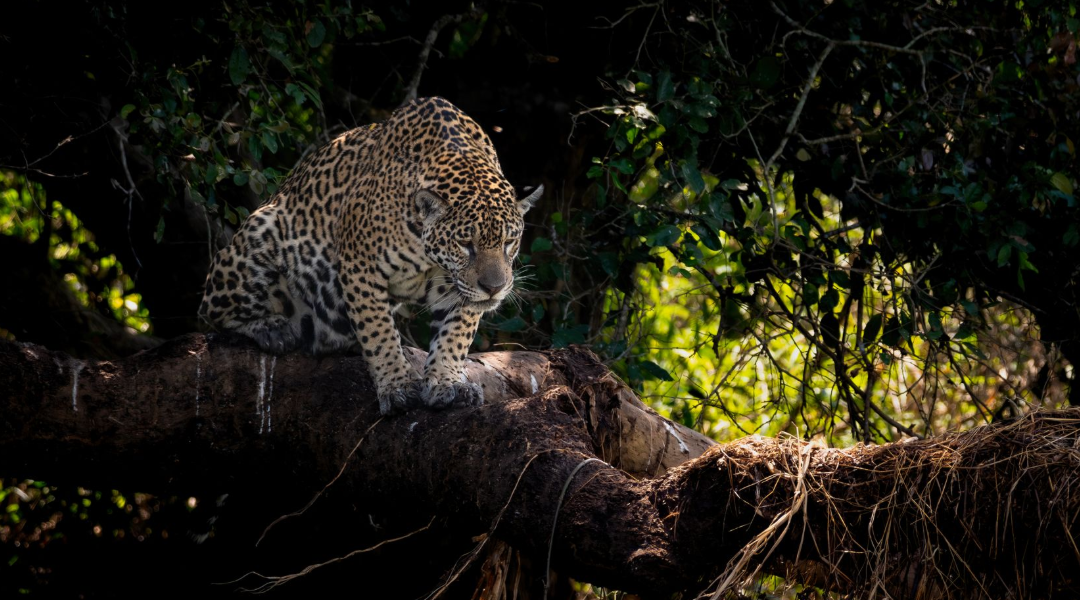
As photographers spend time in Colombia’s ecosystems, it becomes increasingly clear that birds are only one part of a much larger story. The same forests, wetlands, and highland landscapes that support incredible avian diversity are also home to a wide array of mammals—many of them elusive, shy, and rarely seen.
This overlap creates a unique dynamic for photographers. While waiting quietly for birds, you may notice movement in the undergrowth, hear rustling along a forest edge, or glimpse a shape crossing an open slope. In Colombia, the transition from bird photography to mammal photography often happens organically, without intention or planning.
Mammals of the Cloud Forest and Highlands
Colombia’s Andean regions support a fascinating suite of mammals adapted to life in cooler, high-altitude environments. Species such as the Andean bear, mountain tapir, deer, foxes, and small carnivores move through cloud forests and páramo landscapes, often remaining hidden from view.
Photographing these animals requires a shift in mindset. Unlike birds, mammals rarely present themselves openly or predictably. Encounters are brief, quiet, and deeply dependent on patience and awareness.
For photographers willing to slow down, these moments can be among the most rewarding of their careers. A fleeting glimpse of a bear crossing a ridge or a tapir moving through mist carries emotional weight far beyond the frame itself.
Wetlands: Where Birds and Mammals Converge
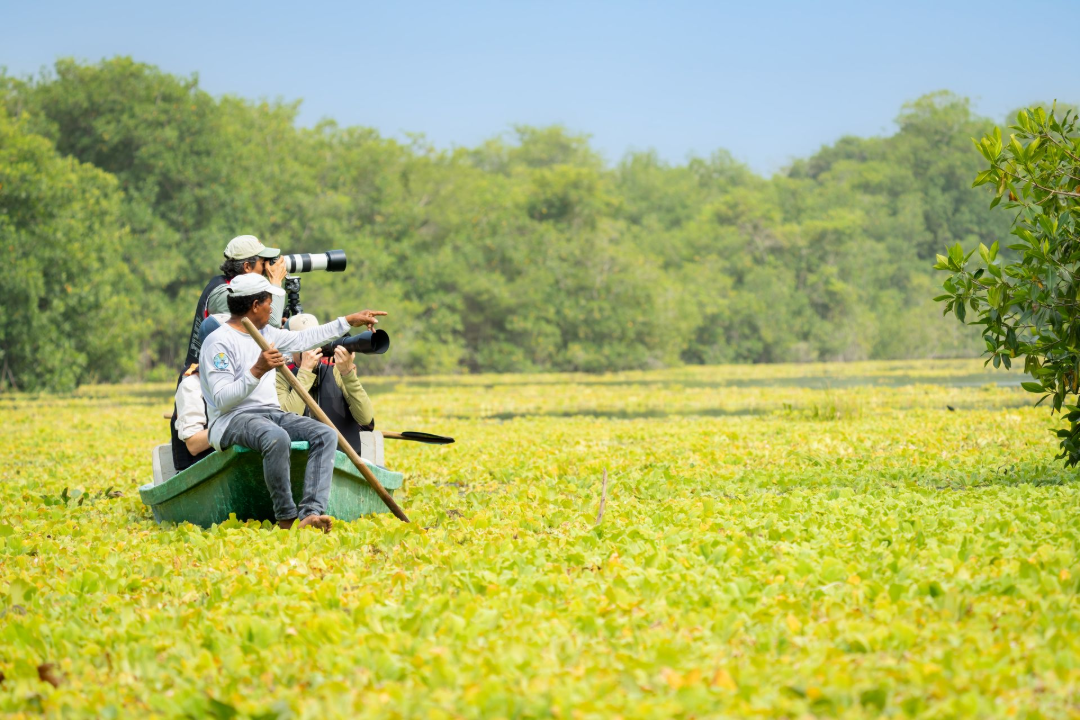
High-altitude wetlands and lowland marshes are some of Colombia’s most overlooked photographic environments—and among its most productive. These ecosystems host secretive birds such as rails and crakes alongside mammals like otters, rodents, and deer.
Wetland photography demands subtlety. Subjects may remain hidden for long periods, emerging only briefly. Light conditions can be challenging, and compositions often rely on atmosphere as much as detail.
Yet these places reveal how deeply interconnected Colombia’s wildlife truly is. Photographing a rare bird in a wetland often means standing in habitat that also sustains mammals, amphibians, and countless invertebrates. Each image becomes part of a larger ecological narrative.
Ethical Wildlife Encounters Across Taxa
One of the defining features of Colombia’s emerging nature photography culture is its emphasis on ethics. Whether photographing birds at feeding stations or mammals in protected areas, responsible behavior is central to the experience.
This ethical approach is especially important when transitioning from birds to mammals. Mammals are more sensitive to disturbance, and their energy budgets—particularly in high-altitude environments—are easily disrupted.
Successful photography in Colombia is built on restraint: maintaining distance, avoiding habituation, and allowing animals to dictate the terms of the encounter. The result is photography that feels honest and deeply respectful.
The Role of Local Knowledge
Local guides are indispensable when navigating Colombia’s biodiversity. Their understanding of species behavior, seasonal movements, and habitat nuances dramatically increases the likelihood of meaningful encounters—while ensuring safety and ethical standards are maintained.
These guides often come from the very communities that coexist with wildlife daily. Their perspectives add depth to the experience, transforming a photographic outing into an educational and cultural exchange.
From identifying bird calls to recognizing subtle signs of mammal presence, local knowledge bridges the gap between seeing and understanding.
Landscapes That Shape the Experience
Colombia’s landscapes are not merely backdrops; they are active participants in the photographic process. Steep Andean slopes, mist-filled valleys, sprawling páramo, and dense forests shape how animals move and how photographers work.
Light behaves differently here, filtered through clouds or reflected off open grasslands. Weather changes quickly, demanding adaptability and patience. These conditions encourage photographers to think beyond isolated subjects and consider broader compositions that include environment and mood.
In Colombia, it is often the landscape itself that ties birds and mammals together into a cohesive visual story.
Beyond the Checklist Mentality
With so much biodiversity available, it is easy to fall into a checklist mindset—counting species, chasing targets, and measuring success by quantity. But Colombia gently resists this approach.
The country rewards those who linger, observe, and engage deeply with place. Many photographers arrive focused on birds and leave equally captivated by mammals, ecosystems, and conservation stories they did not anticipate.
This shift—from accumulation to immersion—is one of Colombia’s greatest gifts to nature photographers.
Conservation Through Photography
Photography in Colombia increasingly serves a broader purpose. Images help document species, promote conservation initiatives, and generate economic incentives to protect habitats.
When photographers support community-based tourism and conservation-focused operators, their presence contributes directly to preserving the ecosystems they photograph. This creates a virtuous cycle in which wildlife, people, and photographers all benefit.
In this context, moving from birds to mammals is not a departure—it is a natural extension of understanding biodiversity as an interconnected whole.
A Destination That Grows With You
Colombia meets photographers wherever they are in their journey. Beginners find abundant subjects and supportive infrastructure. Experienced photographers discover depth, challenge, and rare opportunities that test patience and skill.
The country encourages growth—not just technically, but philosophically. It invites photographers to expand their focus, to see connections, and to approach wildlife with humility and curiosity.
Expand Your Vision in Colombia
If your photography has centered on a single subject—birds, mammals, or landscapes—Colombia offers a chance to broaden that vision. Here, birds lead naturally to mammals, mammals to ecosystems, and ecosystems to a deeper understanding of conservation and responsibility.
Traveling with a company that values ethical practices, local communities, and long-term sustainability ensures that these experiences remain meaningful for generations to come.
👉 Explore Retorno Photo Tours’ purpose-driven wildlife expeditions and discover journeys designed to immerse you in Colombia’s extraordinary biodiversity—from vibrant birds to elusive mammals—while supporting the landscapes and people that make these encounters possible.
Because the most powerful nature photography doesn’t just document what we see. It reflects how deeply we choose to engage with the living world around us.